How Often Should A Restaurant Kitchen Be Professionally Cleaned?
How Often Should A Restaurant Kitchen Be Professionally Cleaned
Are you wondering how often should a restaurant kitchen be professionally cleaned? You are in the right place! Here we will explore restaurant cleaning frequency.
Keeping a restaurant kitchen clean is not just about appearances. It is essential for food safety, health code compliance, employee safety, and smooth daily operations. For restaurant owners and managers in the Cleveland area, understanding how often a restaurant kitchen should be professionally cleaned helps reduce risk, prevent costly violations, and maintain a safe environment for staff and customers.
This guide explains recommended professional kitchen cleaning frequencies, what impacts those schedules, and how Cleveland restaurants can build an effective cleaning plan.
Why Professional Kitchen Cleaning Matters
Restaurant kitchens are high-risk environments for grease buildup, bacteria growth, cross-contamination, and slip hazards. While kitchen staff handle routine cleaning throughout service, professional cleaning targets areas that require specialized tools, deeper degreasing, and trained expertise.
Professional kitchen cleaning helps reduce foodborne illness risks, supports compliance with health department regulations, improves workplace safety, extends the life of equipment, and keeps kitchens inspection-ready year-round.
Daily Professional Kitchen Cleaning
Daily cleaning forms the foundation of kitchen sanitation. Some daily tasks are handled by staff, but professional cleaning services can support or supplement daily routines, especially after service hours.
Key Daily Cleaning Tasks
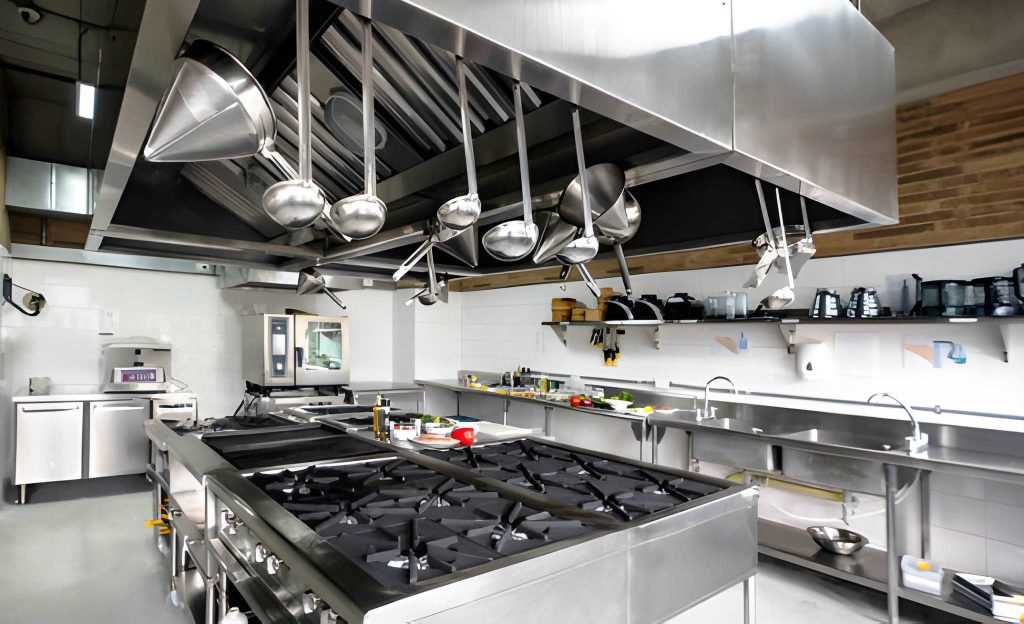
Food prep surfaces such as cutting boards, prep tables, counters, and sinks should be sanitized regularly with food-safe disinfectants. Cooking equipment exteriors including grills, fryers, ranges, flat tops, and ovens benefit from daily degreasing to prevent buildup. Kitchen floors should be swept and mopped daily to remove grease and food debris that create slip hazards. Trash and recycling should be removed at least once per shift. High-touch areas such as handles, switches, knobs, and shared tools should be sanitized throughout the day.
Professional support for daily cleaning helps prevent grease and bacteria from accumulating into larger problems.
Weekly Professional Kitchen Cleaning
While daily cleaning maintains surface-level sanitation, weekly professional cleaning addresses buildup in areas that are harder to reach or require more time and detail.
Weekly Cleaning Tasks
Weekly services often include deeper degreasing of cooking equipment, cleaning behind and beneath appliances, scrubbing walls and backsplashes near cook lines, and detailed floor scrubbing. Floor drains should be cleaned to prevent odors and clogs. Refrigerators, freezers, shelving, and storage areas should be wiped down and sanitized. Small appliances such as slicers, mixers, and food processors may be disassembled for proper cleaning.
High-volume kitchens and fast food restaurants especially benefit from weekly professional cleaning due to continuous use and grease-heavy operations.
Monthly and Periodic Deep Kitchen Cleaning
Monthly and periodic deep cleaning services target heavy grease buildup and areas that daily and weekly cleaning cannot fully address. These services often require specialized equipment and trained technicians.
Monthly or Quarterly Deep Cleaning
Deep cleaning may include oven and fryer interior cleaning, intensive degreasing of floors and walls, tile and grout scrubbing, high dusting of vents and ceilings, and detailed sanitation of refrigeration units. Kitchens with high output or grease-heavy menus may schedule deep cleaning monthly, while lower-volume operations may opt for quarterly service.
Annual or Seasonal Kitchen Cleaning Tasks
Some kitchen cleaning tasks are best handled once or twice per year as part of long-term maintenance and safety planning.
Annual Cleaning Considerations
Annual services may include floor stripping and resealing, deep appliance teardown cleaning, walk-in cooler and freezer deep sanitation, and coordination with certified hood cleaning professionals for full exhaust system maintenance. These services help maintain fire safety, equipment performance, and compliance.
Factors That Influence Kitchen Cleaning Frequency
There is no single cleaning schedule that fits every restaurant. Several factors influence how often professional kitchen cleaning is needed.
Higher volume kitchens generate more grease and require more frequent cleaning. Menu type matters, as fried foods and heavy sauces create more residue. Extended operating hours increase wear and buildup. Restaurants with strict health and safety standards or frequent inspections often schedule more frequent professional cleaning to minimize risk.
Professional Cleaning vs In-House Cleaning
While in-house staff play a critical role in daily sanitation, professional kitchen cleaning provides consistency and depth that internal teams often cannot achieve alone.
Professional cleaners use commercial-grade equipment and food-safe degreasers, follow standardized protocols, understand inspection requirements, and free up staff to focus on food preparation and service. This partnership improves overall kitchen safety and cleanliness.
Commercial Kitchen Cleaning Services in Cleveland, OH
CleanNet of Cleveland provides professional restaurant and commercial kitchen cleaning services for food-service facilities throughout the Greater Cleveland area. Their services are designed to reduce grease buildup, support health inspection readiness, and maintain safe kitchen environments.
CleanNet of Cleveland offers customized cleaning schedules that include daily support, weekly detailed cleaning, and periodic deep cleaning based on each kitchen’s operational needs. Their local office is located at 6500 Rockside Rd Suite 395, Independence, OH 44131, serving restaurants and food-service operations across Cleveland and surrounding communities.
Conclusion: Restaurant Cleaning Frequency
How often a restaurant kitchen should be professionally cleaned depends on service volume, menu type, operating hours, and sanitation standards. A combination of daily maintenance, weekly professional cleaning, and periodic deep cleaning creates a balanced approach that supports safety, compliance, and efficiency.
Professional commercial kitchen cleaning is an investment in long-term success. By establishing the right cleaning frequency, restaurant owners can protect their staff, their customers, and their business reputation while keeping kitchens running smoothly every day. You should now know how often should a restaurant kitchen be professionally cleaned.
Our Location:
The post How Often Should A Restaurant Kitchen Be Professionally Cleaned? appeared first on CleanNet Of Cleveland.
Article Source : cleannetohio.com/restaurant...
